









The Rise of Digitized Embroidery Design in DIY Culture
Whether you're looking for a creative outlet, a potential side income, or just a way to personalize your world, digitized embroidery offers endless possibilities.

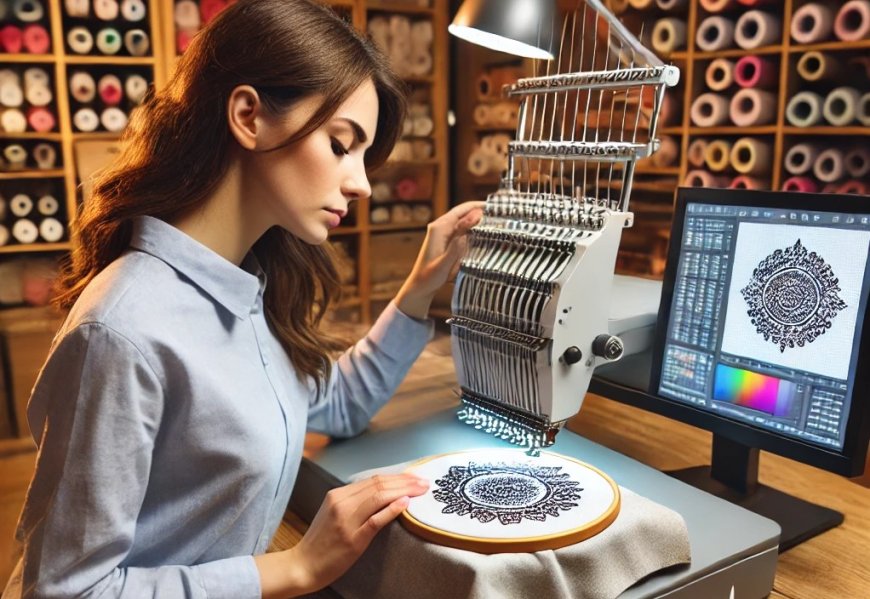
Not so long ago, embroidery was something your grandmother did with a wooden hoop and a drawer full of tangled floss. Today, it's gone digital - and the DIY world has embraced it with open arms. What started as a niche hobby has exploded into a full-blown maker movement, with home embroiderers creating everything from custom denim jackets to embroidered wall art. The secret sauce?Digitized embroidery designs that turn any idea into stitchable reality with just a few clicks.
From Hand Stitching to High Tech
The embroidery revolution didn't happen overnight. First came the home embroidery machines - those clunky, expensive beasts that only serious crafters would attempt to master. Then came the software. Suddenly, you didn't need years of experience to create professional-looking embroidery. With digitizing programs, anyone could take their doodles, logos, or favorite memes and turn them into files their machine could stitch automatically.
This tech shift changed everything. Where traditional embroidery required painstaking handwork, digitized designs let makers focus on the creative fun parts - choosing fabrics, playing with thread colors, and personalizing everything from tote bags to ball caps. The barrier to entry dropped, and a whole new generation discovered the joy of embroidery.
Why Digitized Designs Clicked with Makers
There's something magical about watching a machine bring your design to life stitch by stitch. Digitized embroidery hit the sweet spot for DIYers because it:
- Saves time without sacrificing creativity- You design once, then stitch endlessly
- Makes professional results achievable- No shaky hands or uneven stitches
- Offers endless customization- Change colors, resize, mix and match designs
- Works with modern aesthetics- Clean lines, pop culture references, trendy fonts
- Fits the maker mindset- Digital files are easy to share, sell, and remix
Platforms like Etsy exploded with shops selling digital embroidery files. Suddenly you could buy a design for $5 and stitch it onto a dozen different items - way more satisfying (and affordable) than buying pre-made embroidered goods.
The Tools That Made It Possible
This embroidery renaissance wouldn't have happened without some key technologies:
Home Embroidery Machines
Brands like Brother and Singer released affordable models (some under $500) that didn't require an engineering degree to operate. Automatic thread cutters, touch screens, and USB ports became standard features.
User-Friendly Software
Programs like Embrilliance and Hatch brought professional digitizing tools to hobbyists. Auto-digitizing features let beginners convert artwork with decent results, while more advanced users could fine-tune every stitch.
Online Marketplaces
Etsy, Creative Market, and embroidery-specific sites created ecosystems where designers could sell their digitized patterns. A thriving indie design community emerged almost overnight.
Social Media Inspiration
Instagram and Pinterest became goldmines of embroidery inspiration. Hashtags like #digitizedembroidery and #machineembroidery amassed millions of posts showing what was possible.
How Digitizing Changed What We Embroider
Traditional embroidery had its roses and samplers. The digitized era brought a whole new visual language:
- Pop culture everything- From retro video game sprites to favorite Netflix quotes
- Modern typography- Crisp, contemporary fonts that would be torture to hand stitch
- Photorealistic portraits- Yes, people now embroider their pets' faces on hoodies
- Edgy designs- Skulls, curse words, and designs your grandma wouldn't approve of
- Hyper-personalization- Names, inside jokes, custom illustrations
The best part? These designs can be resized, recolored, and remixed endlessly. That cute cactus pattern can become a massive wall hanging or a tiny jacket patch with just a few clicks.
The DIY Business Boom
What started as a hobby became a side hustle for thousands. The economics are appealing:
- Digital files have near-zero production costs after creation
- No inventory - customers download instantly after purchase
- Designs can be sold repeatedly without extra work
- Low startup costs compared to physical product businesses
Successful Etsy shops now specialize in everything from feminist slogan designs to hyper-detailed floral patterns. Some top sellers make six figures annually just from digital embroidery files.
Learning Curve? There's a Tutorial for That
The internet democratized the learning process. Where previous generations might take expensive classes, today's embroiderers can:
- Watch YouTube tutorials on specific techniques
- Join Facebook groups for troubleshooting help
- Take Skillshare classes on digitizing basics
- Download free practice designs to test their skills
This access to knowledge accelerated the craft's growth exponentially. A complete beginner can go from unboxing their machine to selling designs in a matter of months.
Sustainability Angle
In an era of fast fashion and disposable decor, DIY embroidery offers a sustainable alternative:
- Upcycling- Transforming thrift store finds with custom embroidery
- Slow fashion- Creating pieces meant to last for years
- Less waste- Digital files mean no physical materials are wasted in design phase
- Local production- Stitching items on demand rather than mass-producing
This ethos resonates strongly with younger makers who want their hobbies to align with their values.
The Dark Side of Digital
It's not all sunshine and satin stitches. The digitized embroidery boom has some downsides:
- Quality varies wildly- Not all digitized designs stitch out well
- Copyright issues- Some sellers illegally convert artwork they don't own
- Overwhelm- Beginners can get frustrated when results don't match expectations
- Equipment costs- Good machines and software still require investment
The community is working through these growing pains, with more emphasis on ethical design practices and honest marketing of skill levels required.
Where It's Going Next
The digitized embroidery wave shows no signs of slowing. Emerging trends include:
- Augmented reality previews- See how a design will look on your item before stitching
- AI-assisted digitizing- Tools that automatically clean up and optimize designs
- Smart machines- WiFi-connected embroidery machines that download designs directly
- Hybrid crafts- Combining embroidery with vinyl, beads, or other mediums
One thing's certain - embroidery isn't your grandma's hobby anymore. The marriage of digital technology and hands-on making has created something entirely new, and a whole generation of crafters is stitching their mark on the world, one digitized design at a time.
Whether you're looking for a creative outlet, a potential side income, or just a way to personalize your world, digitized embroidery offers endless possibilities. The tools are more accessible than ever, the community is thriving, and the only limit is your imagination. So why not grab some thread and join the revolution? Your machine is waiting to bring your ideas to life.