















The Growing Demand for Arabic Translation Services in Global Business

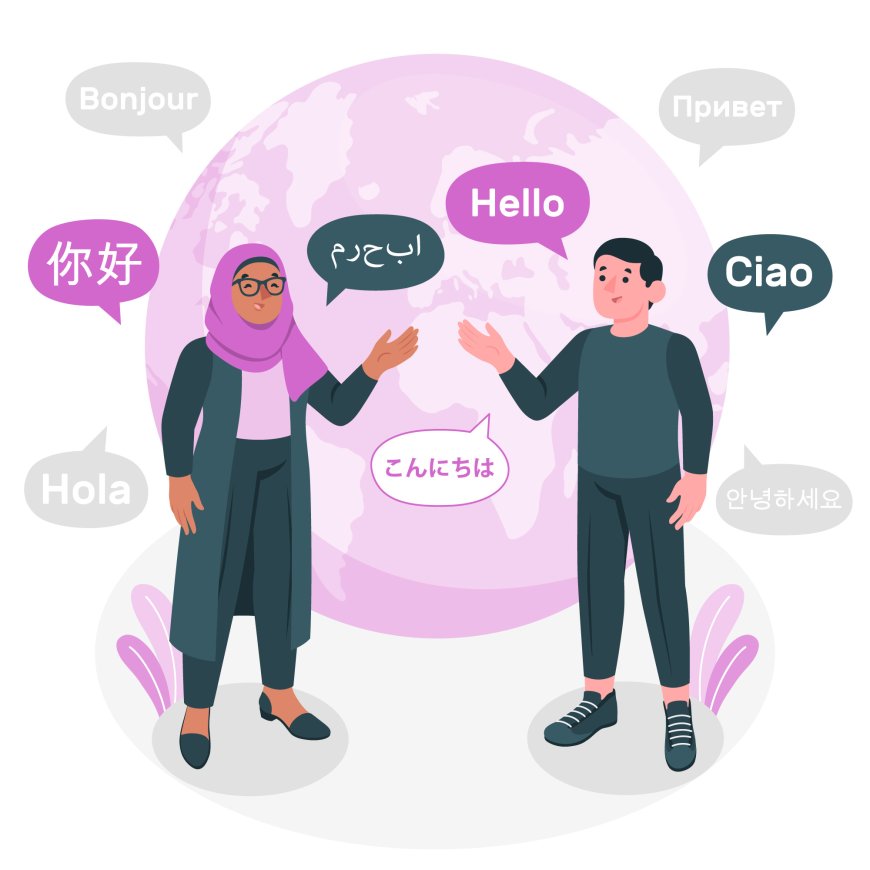
In a rapidly changing world where businesses compete to win new markets and forge strong cross-border relationships, language has become one of the most important assets in any companys commercial arsenal. Arabic is one of the most popular languages in demand for business expansion because it is used in more than 25 countries, spoken by more than 400 million people. The growing influence of the Arab world is driving a high demand for professional language help, specifically when it comes to Arabic translation services.
The importance of a global language: Why we need Arabic in business
The Arab world comprises a wide expanse of land that covers the entirety of Northern Africa and Western Asia. Not only are the United Arab Emirates, Saudi Arabia, Egypt, and Qatar resource-wealthy and rapidly growing especially in industries like energy, tourism, finance, and technology: The only way global companies can successfully do business in these markets is by speaking clearly, in the right cultural tone, to local consumers, constituents and regulators.
Arabic is a rich and diverse language, with dialects and accents, however the official version is Modern Standard Arabic (?????? al-fu?-??). This linguistic richness coupled with the socio-cultural value of language in Arab society offers only its presence and excellent translation as not only the right thing to do, but what makes good business sense.
Key Drivers Behind the Demand
Middle East Market Expansion:
Multinational companies are progressively pushing their frontiers in the GCC countries. From retail giants opening e-commerce platforms in Saudi Arabia to software companies launching data centers in the UAE, businesses require websites, user manuals, legal documents and marketing materials in Arabic in order to engage with users successfully.
Rise in Digital Content Consumption:
The internet is growing at a faster rate in the Arabic-speaking world. Consumers are spending more time online, especially on social media and streaming platforms and on their phones. For content to be understood by the Arabic speaking people it has to be localised not only in a language context but also in a cultural context. This goes well beyond translation it includes localization, transcreation, and even rebranding.
Government Regulations and Compliance:
Many of the other countries in the region have strict language requirements stipulating that contracts, safety documents, medical records, and legal documents must be translated into Arabic. For example, Saudi Arabias Vision 2030 requires a particular focus on adopting Arabic in all communications with public audiences and official business. Failure to do so can lead to regulatory fines and missed business chances.
Tourism and Hospitality Growth:
Egypt, Jordan, the United Arab Emirates being just a few examples of countries that are now visited by millions of tourists each year, and even more so in this case, tourism has been made aware of the importance of multilingual communication. Hotels, airlines, travel agencies and event organizers require well-written brochures, websites, booking systems and customer support materials in Arabic in order to improve user experience and gain credibility.
Challenges in Arabic Translation
Translation from Arabic has difficulties of its own. It's grammar is very unlike English and similar Western languages. Also, words have different meaning according to the place not to mention the local dialect that is a must to learn. The diglossic situation with the use of Modern Standard Arabic (MSA) in formal situations and local dialects in informal contexts adds an extra complication. Thats why companies need to hire language professionals who are not only native or near-native speakers but who are also super familiar with the culture and its quirks.
Technology and Human Experience
While machine translations and AI tools have improved, they still dont offer an accurate sense of the depth of cultural context and emotional nuance we need in Arabic. Human translators will continue to be important, especially for areas were getting the nuances right is important, like legal, medical and financial services. As with most things, a combination of humans and technology offers an affordable alternative that strikes a balance between cost and quality.
Final Thoughts
With the speed of globalization and the geoeconomic importance of the MENA region increasing, multilingual communication remains essential. Companies that leverage standardArabic translation servicesset themselves up to create trust, maintain compliance, and realize new revenue across the many markets served by the Arabic language. Language isnt just a lens, in the interconnected world of todayits a strategic resource.