

















Mind Full or Mindful? Simple Tips to Shift Your Thinking
Is your mind constantly full? Discover simple, daily mindfulness tips to bring more calm and clarity—and explore beginner-friendly tools at the upcoming health exhibition.
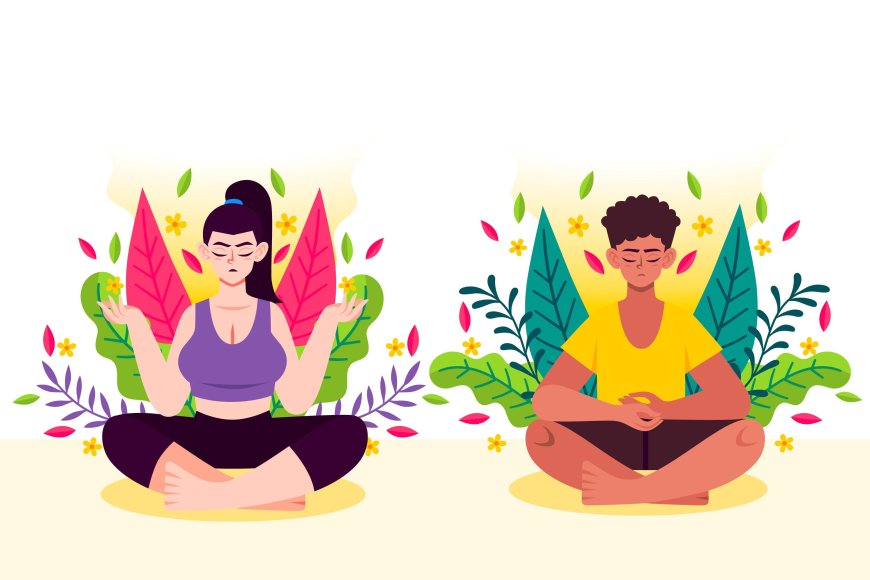
Have you ever felt like your brain was running a marathon, even while sitting still? Youre not alone. From the moment we wake up, our minds are flooded with to-do lists, messages, deadlines, worries, and endless digital noise. Its like our minds are alwaysfullbut rarely mindful.
This modern-day overload leaves many of us feeling stressed, distracted, and disconnected. But theres a powerful and surprisingly simple way to shift things: mindfulness. Its not just a buzzwordits a practice that helps us come back to the present moment and experience more calm, clarity, and control in our lives.
As interest in natural mental wellness grows, practices like mindfulness are being explored everywhereincluding at the upcoming health exhibition near you. These events are making it easier than ever to learn how small changes in awareness can lead to big shifts in how we feel.
Whats the Difference Between Mind Full and Mindful?
Lets break it down.
-
Mind full is when your brain feels jam-packed. You're thinking about the past, worrying about the future, and trying to juggle a hundred thoughts at once. Youre physically presentbut mentally elsewhere.
-
Mindful means youre here, in this moment. Youre aware of what youre doing, feeling, and experiencingwithout judgment. Youre paying attention, on purpose, to whats happening right now.
Mindfulness isnt about emptying your mind or pretending everything is peaceful. Its about noticing whats real, right now, and responding to it with kindness and curiosity.
Why Shifting to Mindfulness Can Change Everything
You dont have to completely overhaul your life to feel better. In fact, its often the smallest habits that make the biggest difference. When you begin to approach your day with mindful awareness, a few powerful things start to happen:
- Stress lessens: You stop reacting impulsively and start responding with more calm.
- Focus improves: You notice distractions sooner and return to what matters.
- Emotions settle: Youre less caught up in worry or frustration.
- Sleep deepens: Your mind isnt spinning the moment your head hits the pillow.
You may not control everything around you, but mindfulness helps you control your relationship to those things. And that changes the way you move through the world.
Simple, Everyday Ways to Be More Mindful
The good news? You dont need a meditation cushion or a silent retreat to be mindful. You just need a few minutes and a willingness to pause. Here are some easy ways to begin:
1. Start Your Day With 2 Minutes of Awareness
Before checking your phone, sit or stand still. Notice your breath. Feel the weight of your body. Name 3 things you hear or see. Let the morning begin with you, not your notifications.
2. Eat Without Distractions
Try eating one meal or snack without your phone or TV. Taste your food. Notice the flavors, the texture, the act of chewing. You might enjoy it moreand feel more satisfied.
3. Breathe Before You React
When something stressful happens, pause. Take one deep breath. This single act creates space between you and your reactionand can prevent a spiral of stress.
4. Walk With Awareness
Instead of rushing, take a 5-minute walk outside or in your home. Feel each step. Notice your surroundings. This simple practice can reset your mood and calm your mind.
Mindfulness in a Digital World
Our phones are powerful toolsbut they often keep us on autopilot. We scroll, swipe, and tap without even realizing it. One way to become more mindful is to become more aware of your relationship with technology.
Try this: the next time you reach for your phone, pause. Ask yourself:
What am I looking for right nowinformation, distraction, comfort?
Even just asking the question brings you into the present momentand thats mindfulness in action.
Some people also find help from mindfulness apps, guided meditations, or calming sounds. But remember, you dont need technology to be mindful. You just need attentionand a little intention.
What Science Says About Mindfulness
Mindfulness isnt just a feel-good idea. Its backed by a growing body of research showing real benefits:
- Reduces symptoms of anxiety and depression
- Lowers blood pressure
- Improves sleep and focus
- Boosts emotional resilience
- Enhances relationships and empathy
Thats why mindfulness is now being taught in schools, recommended by doctors, and used in workplaces to support mental well-being. Its a skillone you can learn and get better at, just like any other.
Many of these practices and tools are showcased at wellness-focused events like the upcoming health exhibition, where experts demonstrate how mindfulness can support daily lifewithout needing complex techniques or massive time commitments.
Why Mindfulness Matters Now More Than Ever
In a world full of noise, deadlines, and distractions, mindfulness offers a kind of quiet strength. It doesnt ask you to be perfect. It invites you to notice your life, moment by moment, with openness.
Mindfulness helps us pause before we react. Breathe before we speak. Notice before we judge. And those small pauses change everything. They give us space to choose how we want to show upin work, in relationships, and in our own inner world.
Explore Mindfulness at the Upcoming Health Exhibition
If youre curious about trying mindfulness but dont know where to start, the upcoming health exhibition is a great place to begin. These events often include:
- Guided meditation workshops
- Breathwork sessions
- Mindful movement classes (like yoga and tai chi)
- Talks on stress, focus, and emotional health
- Tools and journals for mindful living
Whether you want to dip your toes in or dive deep, the exhibition gives you access to friendly experts, live demonstrations, and practical tips you can use right away.
Youll discover that mindfulness isnt some distant ideaits a skill you already have. You just need a little reminder to use it.
Conclusion
We all have full minds sometimes. Thats normal. But mindfulness gives us the power to shiftto create even just a few moments of stillness in the chaos.
You dont need to change your entire life to start feeling better. Begin with one breath, one pause, one bite, one walk. These moments add up. They change how we think, how we feel, and how we live.
And if youre looking for guidance, inspiration, or simply a gentle nudge, visit the upcoming health exhibition. Youll find that mindfulness isnt reserved for monks or expertsits for everyone. Especially you.
Because life doesnt have to be so overwhelming. It can also be mindful.
FAQ
Q1. What is mindfulness, exactly?
A: Mindfulness means paying attention to the present moment without judgment. Its about being fully aware of your thoughts, surroundings, and feelingsrather than being lost in distractions or stress.
Q2. How is being mind full different from being mindful?
A: When your mind is full, youre overwhelmed by thoughts, worries, and mental noise. Being mindful means slowing down, breathing, and noticing whats happening right nowwith calm awareness.
Q3. Do I need to meditate to practice mindfulness?
A: Not at all. While meditation is one way to practice, mindfulness can also be built through small habitslike mindful eating, walking, or simply pausing to breathe before reacting.
Q4. How can mindfulness help with stress or anxiety?
A: Mindfulness helps calm the nervous system, reduce racing thoughts, and increase self-awareness. It teaches you how to respond thoughtfully to stress instead of reacting impulsively.
Q5. Can I learn mindfulness at a health exhibition?
A: Yes! The upcoming health exhibition offers workshops, guided sessions, and expert talks that make it easy for beginners to explore mindfulness and other wellness practices in a supportive setting.