

















The Temple of Literature: A Glimpse into Vietnam’s Rich History
Located in the heart of Hanoi, the capital of Vietnam, the Temple of Literature (Văn Miếu) is one of the most significant and cherished landmarks in the country.

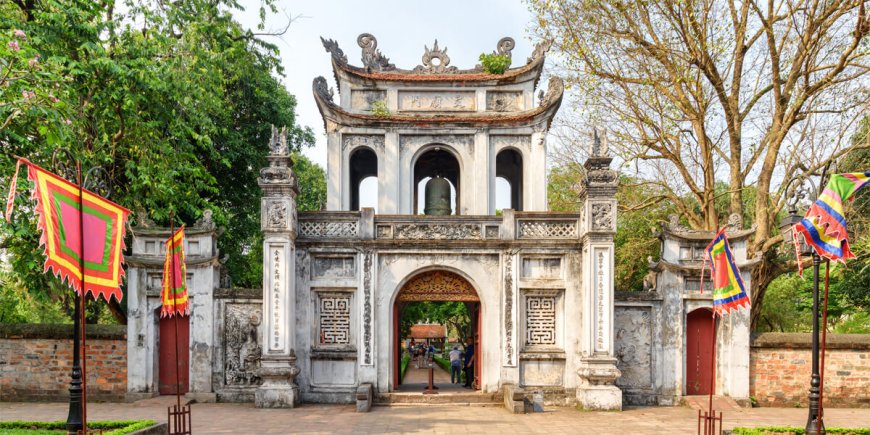
Located in the heart of Hanoi, the capital of Vietnam, the Temple of Literature (V?n Mi?u) is one of the most significant and cherished landmarks in the country. Known for its deep cultural and historical importance, the temple stands as a symbol of education, wisdom, and traditional Vietnamese values. Established in 1070 during the Ly Dynasty, it is dedicated to Confucius, the great philosopher whose teachings have shaped much of East Asian culture. The temple is not just a religious site, but also a place that celebrates learning, scholarship, and the pursuit of knowledge.
The Temple of Literature is not just a tourist attraction; it is a place where the rich history of Vietnams education system comes to life. Visitors from all around the world come to explore its beautiful architecture, serene atmosphere, and the historical significance that the temple holds in Vietnams development over the centuries.
A Historical Legacy of Learning
The Temple of Literature was founded to honor Confucius, but its main purpose was to serve as Vietnams first university. In fact, the temple was home to the Imperial Academy, where scholars and the elite class of the time came to study. The academy provided education in the classics, including philosophy, poetry, and mathematics. Students who graduated here were often well-regarded in society and went on to serve as government officials or scholars.
The architecture of the temple itself reflects the grandeur and intellectual purpose of this historical site. Its peaceful courtyards, traditional Vietnamese pavilions, and beautifully preserved stone tablets all contribute to the atmosphere of reverence and respect for education. As you walk through the temple, you can almost feel the echoes of centuries of scholars who once studied there, striving to improve themselves and contribute to the greater good of society.
One of the most iconic features of the Temple of Literature is its collection of stone stelae. These stelae, engraved with the names of scholars who graduated from the Imperial Academy, are often regarded as a testament to the legacy of education in Vietnam. Today, they are a popular subject for photographers and history enthusiasts who come to admire the detailed inscriptions and the stories they tell of intellectual achievement.
Exploring the Architecture of the Temple of Literature
The architectural layout of the Temple of Literature is a reflection of traditional Vietnamese design and Confucian philosophy. The temple is divided into five main courtyards, each of which holds its own distinct significance. The first courtyard is the entrance, where visitors are greeted by an impressive gate, symbolizing the transition from the mundane world to the world of learning and wisdom.
As you walk through the temple, you will notice the harmonious arrangement of trees, ponds, and pavilions, all contributing to the serene and contemplative environment. The temples pavilions, with their curved roofs and wooden columns, are typical of Vietnamese architecture, adding a sense of tranquility to the space. The central area of the temple is where the statue of Confucius resides, surrounded by a number of altars dedicated to Confucian scholars and Vietnamese scholars who have contributed to the nations intellectual heritage.
The design of the Temple of Literature embodies the Confucian ideals of balance, harmony, and respect for learning. Its structure was meticulously planned to create an environment that encourages reflection, intellectual growth, and a deep appreciation for the values of education.
The Temple of Literature as a Cultural Landmark
While the Temple of Literature is historically significant as a center of learning, it has also become an important symbol of Vietnamese culture. Throughout its long history, the temple has played a pivotal role in promoting education and intellectual achievement in Vietnam. It is not just a place to learn about the past but also a place where the values of education are celebrated and preserved for future generations.
The temple has become a site for cultural events, festivals, and ceremonies that celebrate Vietnamese culture and tradition. One of the most notable events that takes place at the Temple of Literature is the annual examination ceremony, where students preparing for their national exams come to pray for success. This ceremony, which has been held for centuries, reinforces the connection between the temple and the nations educational system.
For tourists and locals alike, visiting the Temple of Literature offers a unique opportunity to learn about the history of Vietnams education system, the role of Confucianism in shaping society, and the cultural importance of scholarly achievement. Whether you are a history enthusiast, an architecture lover, or simply someone interested in understanding Vietnams educational roots, the Temple of Literature provides a comprehensive and enriching experience.
The Temple of Literature: A Place of Reflection and Peace
Beyond its historical and educational significance, the Temple of Literature also offers a space for reflection and peace. Its serene courtyards, tranquil ponds, and shaded pavilions create a perfect environment for contemplation and relaxation. Many visitors come to the temple not only to learn about its history but also to escape the hustle and bustle of the city, immersing themselves in the calm and beauty of the surroundings.
In the peaceful environment of the Temple of Literature, visitors can take a moment to reflect on their own personal journey of learning and growth. The temple serves as a reminder of the power of education to transform lives and societies, offering inspiration to those who walk its halls.
The combination of historical significance, architectural beauty, and serene atmosphere makes the Temple of Literature a truly unique destination in Hanoi. It is a place where the past and present come together, where tradition meets modernity, and where education is revered and celebrated.
Why You Should Visit the Temple of Literature
Visiting the Temple of Literature is more than just a sightseeing activityits a chance to step back in time and explore the roots of Vietnams intellectual and cultural heritage. Whether youre interested in history, architecture, or simply seeking a peaceful escape, the temple offers something for everyone.
For history lovers, the Temple of Literature is a treasure trove of stories and artifacts that trace the development of education in Vietnam. For architecture enthusiasts, the temple provides a stunning example of traditional Vietnamese design. And for anyone who values the importance of education, the temple stands as a testament to the enduring legacy of learning in Vietnam.
In addition to its historical and cultural value, the Temple of Literature is an incredibly photogenic location. From the ornate gates to the tranquil courtyards and beautifully crafted stone tablets, there is no shortage of picturesque moments to capture. The temples peaceful atmosphere makes it an ideal place to slow down and take in the beauty of the surroundings.
Conclusion: The Temple of Literature, A Legacy of Knowledge
The Temple of Literature is a must-visit for anyone traveling to Hanoi. With its rich history, stunning architecture, and peaceful atmosphere, it offers visitors a chance to connect with the educational and cultural roots of Vietnam. More than just a historical site, the temple serves as a reminder of the importance of learning, wisdom, and intellectual achievement in shaping a nations future. Whether you are a traveler seeking to understand Vietnams past or simply looking for a peaceful and inspiring place to visit, the Temple of Literature is a destination that will leave a lasting impression.